02 9234 0555


Table of Contents
- Introduction
- What Makes a Watch Appreciate in Value?
- When a Luxury Watch Loses Value
- Brand by Brand: Which Watches Hold Value in 2025
- Does Watch Insurance Cover Appreciation?
- How to Insure a Watch in Australia
- Watch Insurance Australia: Features Worth Considering
- Key Takeaways
You're standing in a boutique on Collins Street, eyeing two watches. Both gleam under the downlights, both feel hefty and luxurious in your hand, and both have price tags well into five figures. One of them will be worth more in five years than it is today. The other might drop in value the moment you walk out the door. So, what's the difference?
In the world of luxury watches, some models become icons, coveted, collected, and even flipped for profit. Others quietly lose their shine, their market value sinking despite their craftsmanship. And here's the kicker: it's not always about price. A $15,000 Rolex might hold its value better than a $45,000 piece from a less established brand.
Whether you're buying your first luxury timepiece or building a serious collection, understanding what drives value appreciation is essential, not just for bragging rights, but for making informed, future-focused purchases. And if you're looking to insure your collection, knowing which watches are worth (and why) plays a crucial role in getting the right cover.
Together, we'll uncover:
-
What traits help a watch grow in value
-
Which brands and models in 2025 are trending upward, and which aren't
-
Why resale demand is only half the story
-
What you need to know about watch insurance Australia-wide
Because a knowledgeable watch buyer isn't just chasing the next big trend, they're planning for the years ahead. And that includes insuring their timepieces with the right cover, which may be important to take into account the fact that the market value may change over time.
What Makes a Watch Appreciate in Value?
Key Factors That Signal Long-Term Worth
Luxury watches are miniature machines of status, style and, in some cases, investment. But what separates a timepiece that gains value from one that fades into the resale pile?
Let's break down the core indicators collectors, auction houses, and insurers look for when determining a watch's value trajectory.
Rarity and Limited Production Runs
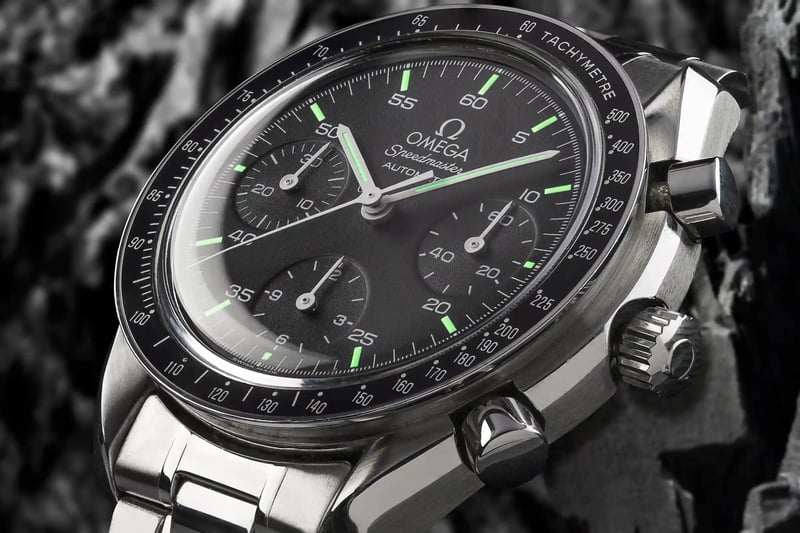
When a brand releases a watch in strictly limited numbers (think under 1,000 units), it creates scarcity. Scarcity breeds demand, especially when collectors compete to get their hands on something few others own. A limited-edition Omega Speedmaster, for instance, will often see stronger appreciation than its mass-produced counterparts.
Historic Significance and Storytelling
Watches tied to history tend to hold their value. Military-issued models, first editions, or those associated with specific missions (like the "Moonwatch" Speedmaster) carry more cultural cachet. Even heritage reissues can appreciate, so long as they remain faithful to the original design and retain limited production numbers.
Brand Prestige and Resale Demand
Rolex. Patek Philippe. Audemars Piguet. These names don't just sound impressive, they're supported by decades of consistent quality, design evolution and resale performance. A stainless steel Rolex Submariner, for example, will often maintain or exceed its retail value, especially compared to newer ceramic references that lack the same nostalgic charm. Consider the now-discontinued Rolex Submariner ref. 16610: Its classic look, pre-ceramic bezel, and robust production era give it an edge with collectors.
Quick takeaway: A watch's appreciation potential isn't about what it costs; it's about who made it, how many exist, and what story it tells.
When a Luxury Watch Loses Value
Why Not All Timepieces Are "Investment" Grade
Just because a watch is expensive doesn't mean it will hold or grow its value. Many high-end watches lose a chunk of their worth the moment they leave the boutique.
Understanding why some watches depreciate can help you make smarter buying decisions and avoid costly surprises down the line.
High-Volume, Mass-Produced Models Lose Appeal
Luxury doesn't always mean limited. Some brands churn out popular models in large numbers to meet market demand. But when a watch is widely available, resale demand softens. Think of it like owning a luxury car: without rarity, depreciation is almost guaranteed.
Trend-Driven Designs Age Poorly
Bold colours, oversized cases, experimental shapes and what feels exciting in the moment can age rapidly. Watches built around short-lived trends often fall out of favour once styles shift. Today's "it watch" can become tomorrow's forgotten design if it lacks timeless appeal or historical grounding.
Overpaying in Hype Markets
During market booms, it's easy to get caught in bidding wars or overpay at retail. Limited-edition releases or social media-driven models can sell at inflated prices, but those premiums rarely hold. If a watch was purchased above its intrinsic or historical market value, it's unlikely to appreciate over time. In some cases, it may never recover the purchase price.
Pro tip: A good investment piece is like a well-aged wine; it matures with time, not trend.
Next, we'll compare how top luxury brands perform when it comes to value retention, Rolex, Omega, Cartier and more.
Brand by Brand: Which Watches Hold Value in 2025
The Most Researched Questions in the Watch World
When choosing a watch with future value in mind, it's easy to get overwhelmed by logos and limited editions. But not all brands, and not all models, perform the same in the resale market. Let's break down what buyers are really asking in 2025, and what the market says in return.
Do Rolex watches hold their value?
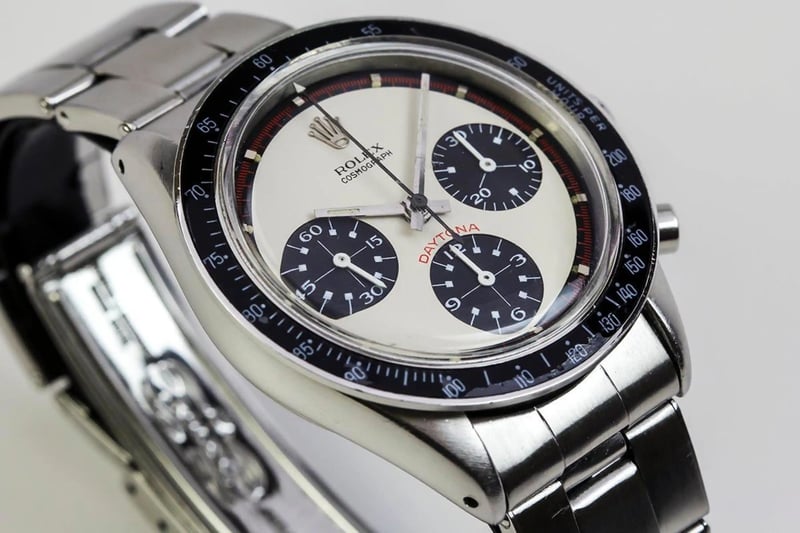
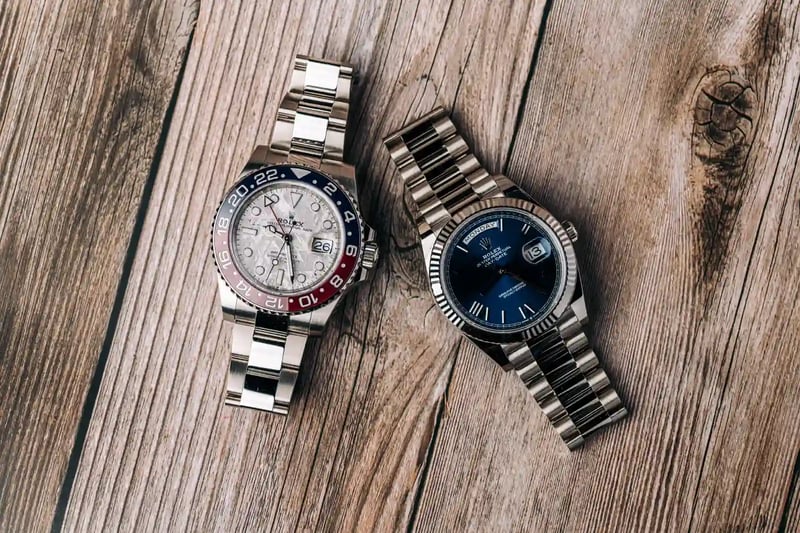
Historically, yes. Rolex has consistently dominated value retention rankings, especially with stainless steel sports models. The Daytona, Submariner, and GMT-Master II regularly sell at or above retail, even years after purchase. This is driven by global brand prestige, consistent demand, and careful control of supply.
Do Cartier watches hold their value?
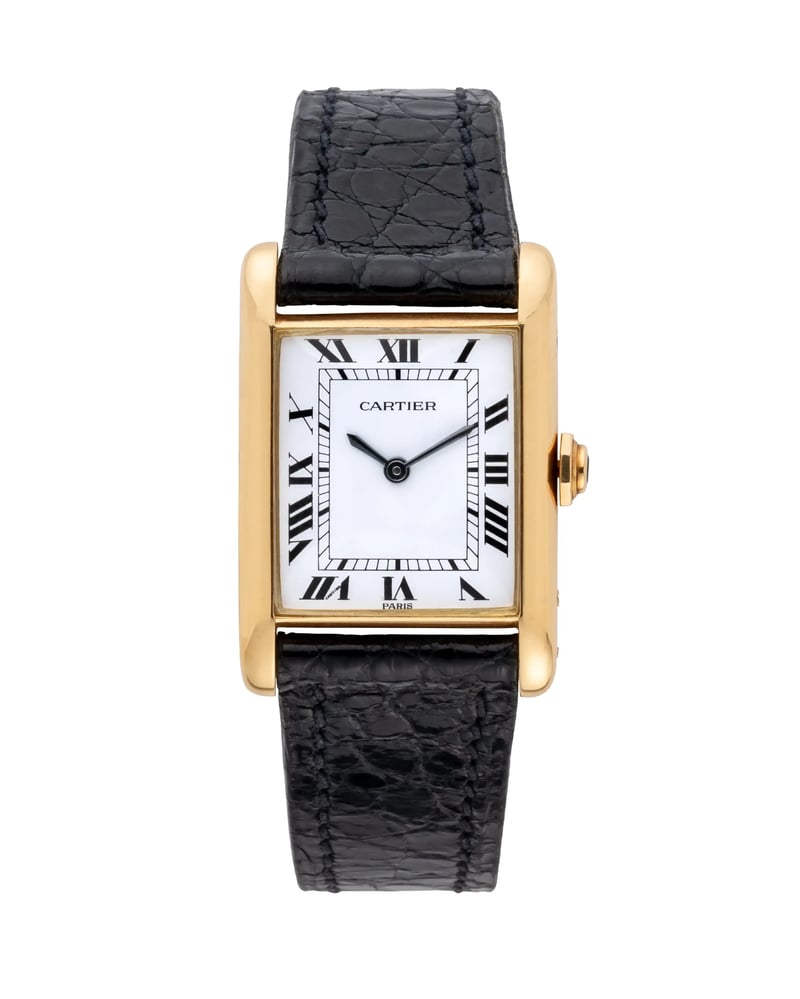
Somewhat. Iconic designs like the Tank and Santos, particularly in gold or two-tone do well at resale. But models with unconventional shapes or experimental designs tend to lag behind. If you're buying Cartier with value in mind, you may want to stick to the classics.
Do Omega watches hold their value?
It depends. The Speedmaster Professional ("Moonwatch") is the standout, maintaining resale strength due to its history and collector following. Limited edition Omegas can also perform well, if their release volume is low and demand remains high. But more standard or dressy models often see depreciation.
Do Breitling watches go up in value?
Breitling has a loyal fanbase, and certain aviation-linked models can hold steady. But as a brand, it produces watches in high volumes, which impacts scarcity. Unless the model is discontinued or becomes culturally relevant (e.g. linked to a film or sports figure), resale tends to underwhelm.
Do Bell & Ross watches hold value?
Not typically. While the square-case design has a distinctive look and attracts collectors interested in aviation aesthetics, most models don't perform well on the secondary market. It's more of a passion purchase than an investment one.
Do Rado watches go up in value?
Known for their ceramic cases and modern design language, Rado watches offer style at a mid-range luxury price, but lack collector demand and resale traction. They're a strong style statement, but not usually an appreciating asset.
Key insight: Appreciation isn't just about brand name, it's about model history, cultural cachet, and market dynamics.
Up next, we'll explore how insurance plays a role when your watch gains value. Because what it's worth today and what it might be worth tomorrow should shape how you cover it.
Does Watch Insurance Cover Appreciation?
What Smart Collectors Should Know About Cover
So your watch has increased in value, that’s great. But here's the real question: Is your insurance keeping up with it?
Many first-time collectors assume their cover automatically adjusts over time. But unless your insurer specifically includes annual revaluation, your policy may only reflect the value of your watch at the time you took out the cover or whenever you provide an updated value.
This matters for one simple reason: if your $15,000 Rolex is now worth $22,000 on the secondary market, but your policy only reflects the original price, you may be at risk of being underinsured. Meaning that if that prized Rolex were to go missing, your insurance may not be enough to cover the cost of replacing it with the same make and model, leaving you out of pocket or without a watch.
Here's how different insurance options handle appreciation:
-
Specialised jewellery and watch insurers like JewelCover may include annual revaluation as part of your policy. That means your cover may automatically adjust in line with market value, without you having to chase updated valuations every year.
-
Some standard home and contents insurance or travel insurance policies, on the other hand, sometimes cap payouts at the original purchase price.
If you're purchasing a watch that's likely to appreciate, like a steel Rolex Submariner or limited-edition Omega, it may be worth choosing cover that grows with your timepiece.
Quick tip: Make sure you know whether your insurer uses current market value at the time of claim, not just replacement value at the point of purchase.
Next, we'll walk through how to insure your watch in Australia, from documents and requirements to what's actually covered.
How to Insure a Watch in Australia
The Essentials You Need to Know
If you've found a timepiece worth wearing and safeguarding, it may be worth considering specialised watch insurance. But how do you insure a watch in Australia? What's required? And what should you look for?
Let's start with the basics.
What documents do you need to insure a watch?
To apply for specialist watch insurance in Australia, you'll usually need:
-
Proof of purchase – a receipt or invoice with the price and seller details
-
Photographs – clear images of the watch, especially if it has any unique markings
Sometimes you may need additional documents such as:
-
Serial number – usually found on the caseback or between the lugs
-
Appraisal or valuation – required for vintage, custom, or inherited pieces
-
Watch warranty card - usually included with the watch at the time of purchase
These documents help establish the replacement value of your watch and streamline the process if you ever need to make a claim.
Are Watches Covered on Home Insurance?
Generally, yes, but sometimes with caveats.
Some Australian home and contents insurance policies will cover personal items like watches. However:
-
They may include sub-limits (e.g., $1,000–$2,000 per item)
-
They may not cover accidental loss, theft while travelling, or damage outside the home
-
You may need to list the watch individually and pay an additional premium
-
Some policies depreciate the item's value over time instead of revaluing it each year
If your watch is worth more than a few thousand dollars, or holds sentimental or collectible value, home insurance may not be the most comprehensive cover for your watch.
Why Specialised Watch Insurance May Be a Better Fit
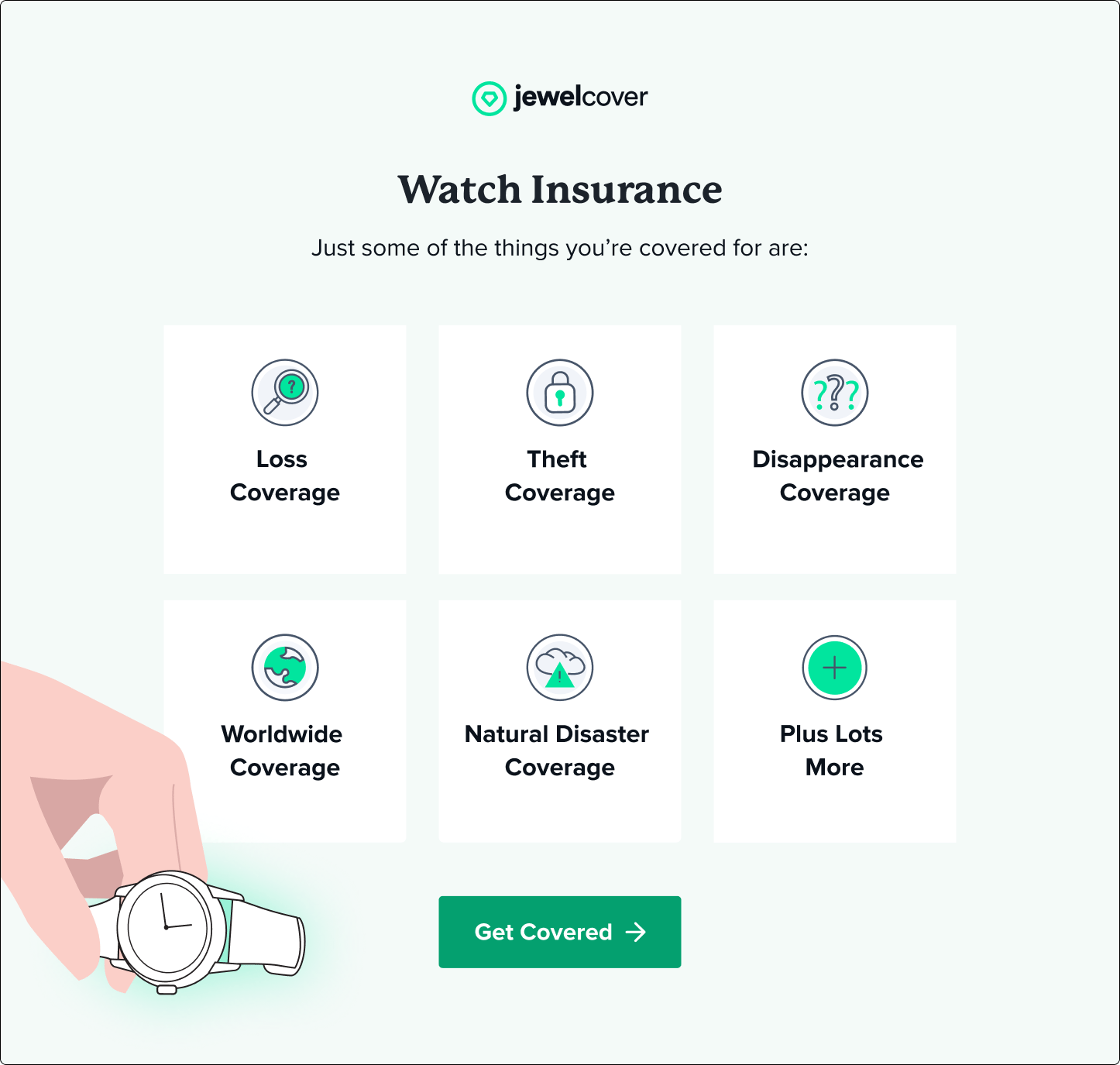
Specialist insurers like JewelCover offer tailored cover designed for timepieces, with benefits such as:
-
Worldwide cover for accidental damage, loss, and theft, subject to policy terms, conditions and exclusions
-
Annual revaluation to ensure your insured value reflects market changes
-
Return-to-retailer options, so your replacement comes from your original jeweller or authorised dealer
-
No excess on theft claims and local, expert claims teams
It's the kind of detail that makes all the difference when insuring a high-value piece.
Quick Answers to Common Questions
How to insure a watch?
Choose your insurer, which may be a specialist insurer, provide photos, a receipt or appraisal, and select cover that reflects the item's full replacement value.
Are watches covered on home insurance?
Sometimes, but it may come with strict sub-limits, exclusions, and limited flexibility.
Does watch insurance cover theft?
With specialised cover like JewelCover, yes, your policy may include theft, even when travelling overseas or outside your home, subject to the terms, conditions and exclusions of the policy.
Next up: What makes for the best watch insurance in Australia? We'll break down the features that many luxury watch collectors look for.
Watch Insurance Australia: Features Worth Considering
Choosing the Best Cover for High-Value Watches
Suppose you're insuring a timepiece that holds financial or sentimental value. In that case, you may want to consider a policy suitable for how Australians wear, store, and travel with their watches.
Whether it's a steel sports Rolex, a vintage Omega Speedmaster, or a limited-edition Cartier, here's what you may want to look for:
1. Comprehensive Cover for Loss, Theft and Damage
A standout luxury watch policy may go well beyond the basics. Premium features may include:
-
Accidental damage, like dropping your watch on a tiled bathroom floor
-
Theft, whether it's stolen from your home, your hotel safe, or your wrist
-
Loss, including mysterious disappearance
These scenarios may be excluded or capped under general home contents policies, making dedicated cover an important consideration for high-value items.
2. Worldwide Cover: Because Watches Travel With You
Wearing your watch daily? Travelling overseas with it? You may want to choose cover that can travel with you.
Specialised providers like JewelCover offer worldwide cover whether your watch is in your luggage, on your wrist, or in a Paris hotel room safe, subject to terms, conditions and exclusions of the policy.
3. Annual Revaluation to Reflect Appreciation
Some policies lock in your watch's insured value at the time of purchase. But what if it appreciates?
You may want to look for a policy that includes complimentary annual revaluation. If your Rolex Daytona increases in value, or gold prices surge, your cover may need to grow with it.
This ensures your coverage matches the current market value, not the price you paid 10 years ago.
4. The Option to Return to Your Preferred Watch Boutique
Imagine something happens to your watch and you're told the only replacement option is through a general supplier or bulk vendor.
Some specialised watch insurers let you return to the original watch boutique where your watch was purchased. That means:
-
Consistent quality
-
Authentic parts
-
Expert servicing
-
Trusted relationship
If you've built a rapport with your watchmaker or boutique, you shouldn't have to start over when making a claim.
Next up, we'll wrap with the most important takeaways and what you can do now to ensure your watch has the right cover.
Key Takeaways
Some watches tell more than time, they tell stories, signal status, and sometimes, grow in value. But not every luxury watch is destined to become an investment. Knowing the difference is key.
Keep in mind:
-
Appreciation hinges on rarity, brand legacy, and long-term demand.
-
Even high-end timepieces may lose value if they're overproduced, trend-driven or overhyped.
-
Some standard home insurance policies may not be the most comprehensive option for high-value watches.
-
Specialised watch cover providers like JewelCover often consider the way Australian collectors wear, travel with, and care for their pieces, with extras like annual revaluation and the ability to return to your original watch boutique.
Whether you're buying your first Rolex or adding another Omega to your collection, it may be worth considering specialised cover for your watch.
Explore how JewelCover helps collectors insure their timepieces with care. Get a quote to cover your collection today.